
Poker Hand Rankings: Complete 2026 Guide
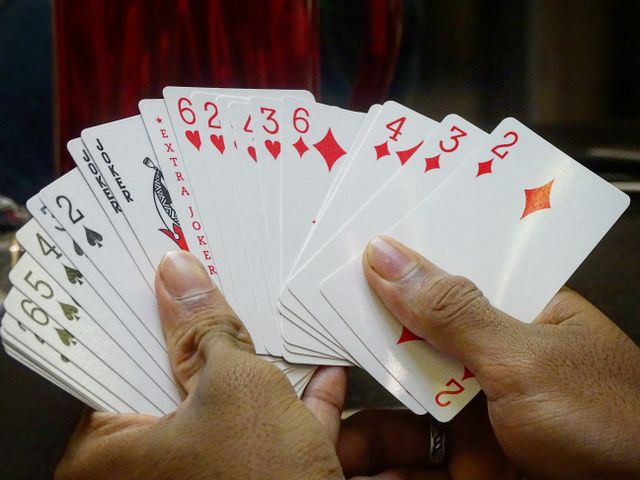
Poker Hand Rankings Complete Reference Guide 2026
Poker hand rankings have not changed in over a century. The same hierarchy that governed saloon card games in the 19th century still determines winners at major tournaments and on digital platforms in 2026. What has changed is everything around it — how players learn the rankings, where they look them up, and how quickly they can access a reliable reference mid-game.
Where the Ranking System Actually Came From
Standardized poker hand rankings emerged from early American card-game culture during the 19th century. Research into the history of card games traces consistent hand-ranking language to printed rule compilations from the 1850s onward, with authors like Robert Foster documenting agreed-upon card combinations in formal rulebooks by the late 1800s. Before that, hand hierarchies varied by region and house rule, making cross-table play inconsistent and often disputed.
The shift from informal house rules to a fixed hand hierarchy was driven by casino practice and tournament organizers who needed a single arbitration standard. By the mid-20th century, tournament standardization — particularly in the United States — locked the 10-category ranking order into official rule sets. That 10-hand structure, running from high card at the bottom to royal flush at the top, became the universal benchmark that every casino, online poker room, and home game now uses as its foundation.
According to historical card-game scholarship, the royal flush was not always treated as a distinct category separate from straight flush in early variations. Its formal separation into a named, top-ranked hand came as printed rule sheets became more widespread and players on sites such as Casino Revery Play and other gaming platforms expected explicit clarity.
Complete 2026 Hand Ranking Table
The 10 standard poker hand categories remain fixed and are used across all major poker variants where five cards determine the winner. Below is the full ranking from strongest to weakest, with each hand described precisely:
Rank 1: Royal Flush
Hand Name: Royal Flush
Description: A, K, Q, J, 10 of the same suit
Example: A♠ K♠ Q♠ J♠ 10♠
Rank 2: Straight Flush
Hand Name: Straight Flush
Description: Five consecutive cards of the same suit
Example: 7♥ 8♥ 9♥ 10♥ J♥
Rank 3: Four of a Kind
Hand Name: Four of a Kind
Description: Four cards of the same rank
Example: K♠ K♥ K♦ K♣ 3♠
Rank 4: Full House
Hand Name: Full House
Description: Three of a kind plus a pair
Example: Q♠ Q♥ Q♦ 9♣ 9♠
Rank 5: Flush
Hand Name: Flush
Description: Five cards of the same suit, non-consecutive
Example: 2♦ 5♦ 8♦ J♦ K♦
Rank 6: Straight
Hand Name: Straight
Description: Five consecutive cards of mixed suits
Example: 4♠ 5♥ 6♦ 7♣ 8♠
Rank 7: Three of a Kind
Hand Name: Three of a Kind
Description: Three cards of the same rank
Example: J♠ J♥ J♦ 4♣ 9♠
Rank 8: Two Pair
Hand Name: Two Pair
Description: Two separate pairs
Example: A♠ A♥ 6♦ 6♣ K♠
Rank 9: One Pair
Hand Name: One Pair
Description: Two cards of the same rank
Example: 10♠ 10♥ 3♦ 7♣ Q♠
Rank 10: High Card
Hand Name: High Card
Description: No combination — highest card plays
Example: A♠ J♥ 8♦ 5♣ 2♠
How Casinos and Tournaments Shaped the Hierarchy We Use Today
Casino adoption of a single rule set was not inevitable. Early card rooms tolerated local variation, and research in gambling history shows that disputes over hand values were a measurable source of table conflict throughout the late 19th and early 20th centuries. Tournament organizers — particularly those running large-scale events — had direct financial and logistical reasons to eliminate that ambiguity, and their rule sheets became the de facto standard that spread back into casual casino and home play.
The transition from printed casino rule sheets to tournament documentation represented a key turning point. When major poker events began publishing official hand-ranking charts as part of entry materials in the latter half of the 20th century, those charts reached thousands of players simultaneously. Platforms like Revery Play now build on that same standardized hierarchy, offering players a consistent experience whether they are joining a table for the first time or competing at an advanced level. The ranking order itself required no revision — only the delivery method changed.
A critical structural feature that emerged from casino and tournament standardization is the tiebreaker framework. When two players hold the same hand category, rank within that category is resolved by specific kicker rules. These tiebreaker conventions — comparing high cards within a flush, determining which full house ranks higher by the three-of-a-kind component first — are as important as the primary ranking order and are included in all authoritative 2026 reference materials.
Digital Learning and the 2026 Reference Format
Online poker’s growth through the early 21st century created a new type of player: someone who learned the hand hierarchy entirely from a screen. Research from online gambling studies indicates that the majority of players who entered poker after 2005 first encountered hand rankings through digital guides, platform tutorials, or mobile-optimized cheat sheets rather than printed materials or live instruction. By 2026, that shift is complete — physical rule cards exist primarily as novelty or collector items.
The modern reference format for hand rankings prioritizes these specific features:
- Quick-comparison tables showing all 10 hands ranked simultaneously
- Visual card examples using suit symbols for instant recognition
- Mobile-responsive layouts designed for one-handed scrolling mid-session
- Integrated tiebreaker notes within each hand’s description
- Variant-specific footnotes distinguishing Texas Hold’em, Omaha and Seven-Card Stud applications
Sites including Revery Play incorporate hand-ranking references directly into their game interfaces, reducing the need for players to exit a session to consult an external guide. This integration reflects a measurable shift in how the industry treats player education — not as a pre-game requirement but as an in-session resource.
Key Differences Across Poker Variants
The standard 10-hand hierarchy applies universally to most poker formats, but variant-specific rules create important distinctions that every reference guide must address. The following comparison covers the most relevant structural differences:
Variant: Texas Hold’em
Hand Hierarchy Used: Standard 10-hand ranking
Notable Difference: Best 5 of 7 available cards
Variant: Omaha
Hand Hierarchy Used: Standard 10-hand ranking
Notable Difference: Must use exactly 2 hole cards
Variant: Seven-Card Stud
Hand Hierarchy Used: Standard 10-hand ranking
Notable Difference: Best 5 of 7 dealt cards, no community cards
Variant: Lowball variants
Hand Hierarchy Used: Inverted hierarchy
Notable Difference: Lowest hand wins — standard rankings reversed
Lowball and high-low split games represent the only structural departure from the standard hierarchy. In those formats, a hand like 2-3-4-5-7 — a high card hand in standard play — becomes the target combination. Understanding which rule set applies before reading a ranking reference is essential, and 2026 guides consistently flag this distinction upfront rather than burying it in footnotes.