
How poker became one of the most popular casino games worldwide
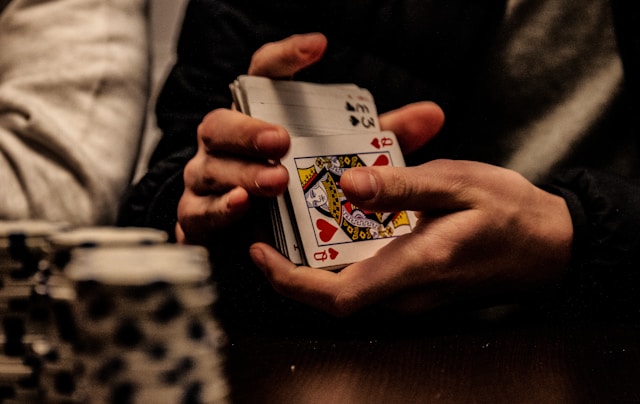
Poker’s journey from smoky riverboats to glitzy digital lounges is filled with drama and creativity. Many newcomers start by spinning slots before exploring the wider world of casino games that eventually leads them to the tactical thrills of poker. In recent years, online card fans open their browsers to visit bCasino NZ for a quick hand, savoring excitement found in any real money casino. Long before websites lit screens, the game’s simple mix of luck and wit was already moving across continents. Soldiers shared it around campfires, immigrants spread it in busy ports, and saloon patrons bet wages in the American West. Each setting added fresh rules and colorful legends, making poker both familiar and endlessly surprising. Today it stands as a global pastime played in living rooms, arenas, and even classrooms where teachers use it to show probability. Learning how the game rose so high reveals much about people, technology, and culture.
Riverboats and Saloons
In the early 1800s, along the Mississippi River, the first form of poker appeared. A small deck of 20 cards was the perfect solution for traders traveling on paddle-wheel boats. The game was spread upstream and downstream as these floating communities slowed at ports. Veterans carried the game west on wagons and railroads after the Civil War.
Frontier towns adopted it and transformed dusty saloons to lively card rooms, where miners, lawmen, and cowboys chased chips. With the introduction of a full 52-card pack, players could play more hands with a richer strategy. This led to longer sessions and larger pots. Due to the fact that rules were passed around by word-of-mouth, new variations such as draw and stud emerged, adding their own twist. This constant evolution made poker more exciting and accessible. It also cemented its reputation as an equalizer, where anyone with nerve can win almost anywhere, on any given evening.
Birth of the Modern Tournament
In the middle of the 20th century, organized poker began to replace casual kitchen games. Las Vegas was looking for new attractions and saw the potential of poker. Benny Binion, a casino owner from the Horseshoe Casino in 1970, gathered the top poker players to his Horseshoe Casino for a first World Series of Poker. The rules were simple: Play until only one player held all the chips. Although the crowds were small at first, naming one champion made for a great headline. The prize pool grew and more hopefuls came to Nevada, believing that skill would beat money. Freeze-out, in which everyone started with the same chips, eliminated the fear of endlessly rebuying.
Satellite events were added later and turned the small entry fee into seats for the big show. This opened doors for amateurs. Soon, television crews followed suit, adding movie-style lighting to the tables, amplifying every smile, sigh and fist pumped. The fans at home started to dream about being in the spotlight. This change reframed poker as more than just a gambling game, but also as a mind-sport worthy of study.
The Poker Boom and Television Lights
In 2003, the accountant Chris Moneymaker became a pivotal player when he won the World Series Main Event through an online satellite. Hole-card camera technology allows viewers to see cards hidden in real-time, making televised games of poker a thrilling experience. ESPN, for example, combined the footage and clear commentary to explain odds. This allowed families to cheer on underdogs while sitting at home.
Transparency helped to demystify strategy, and led to a boom in home games played by students and pubs around the world. Daily, hand replays were posted on online forums and strategies debated. Card rooms expanded and new tours, such as the European Poker Tour, were formed. These brought six-figure prizes to cities. Economists called this spike in participation "the Moneymaker Effect", proof that relatable characters and easy entry points can spark massive growth. By the end the decade, poker was firmly rooted in the popular culture alongside sports and reality television.
Online platforms and a global community
The internet has removed geographical boundaries. While television events helped to build star power, it also allowed for the creation of new ones. In the late 90s, real-money poker websites were launched. They offered tables around the clock at stakes of as little as one penny. The ability to play against someone in Sweden from Brazil without having to leave home was a great way for a teenager in Brazil. The micro-limits allowed players to learn by sheer volume, while reducing financial risk. In no time, forums and training sites grew in popularity. Hand histories were analyzed like chess pieces.
Tracking software allowed users to measure trends and plug leaks. This accelerated improvement. The government responded by regulating the industry and requiring licensed platforms to adopt banking-level security. This reassured newcomers of virtual chips' real value. Operators sponsored live events to create a smooth transition between keyboard and felt. Online festivals are now so large that they often offer more prize money than traditional tournaments. This has been made possible by mobile apps, which allow commuters to play while they wait for the bus. Smartwatches are now offering mini-tournaments every day.
The Future of Poker and its Cultural Impact
Poker has a profound impact on language, politics, and business. The use of phrases like "ace in hole," "calling the bluff," or "playing it close to the chest" is commonplace, demonstrating how the wisdom gained from card rooms has made its way into boardrooms. When courting investors, tech founders use game theory to impress investors. Negotiators are familiar with tells. University courses analyze poker decisions to model behavioral economics. New formats, such as virtual reality, short-deck and fast-fold games, keep audiences interested in speed and immersion. North America and Asia are pushing for a more regulated and broader future, with a larger player pool and safer conditions.
The core appeal remains the same: each hand is a small drama in which incomplete information meets individual courage. This balance indicates that poker will continue to inspire imaginations even after today's fashions become yesterday's nostalgia. Media franchises such as comics and video games have further embedded its characters and catchphrases in mainstream entertainment today.