
From Strategy to Betting: How Poker Skills Can Help in Sports Betting
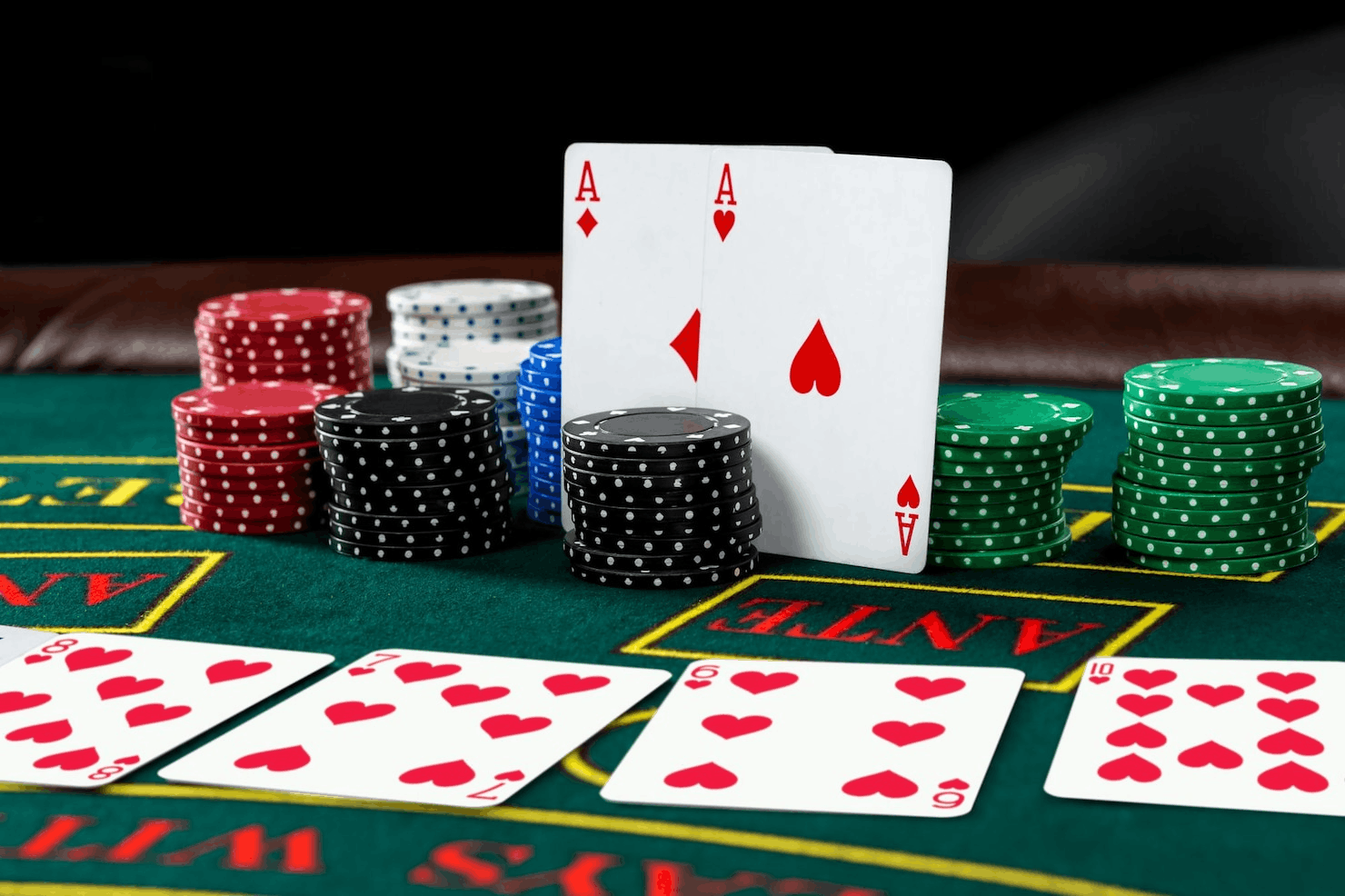
Poker and sports betting might seem like different worlds, but skilled players know better. Both disciplines reward sharp thinking, emotional control, and calculated risk-taking. If you've spent time at the poker table, you're already building instincts that translate directly into smarter wagering decisions. Explore these transferable skills and see how they can elevate your approach to sports markets.
Reading the Odds: Poker's Probability Mindset
Every poker player learns to think in probabilities, not certainties. You don't just play your cards — you calculate pot odds, implied odds, and your opponent's likely range. That mathematical framework maps almost perfectly onto sports betting markets.
Sports bettors who understand expected value gain a significant long-term advantage over casual punters. When a bookmaker sets a line, they're estimating probability. Your job is to find where your estimate diverges from theirs — and bet accordingly. Poker players do this intuitively every single hand.
The discipline of refusing bad bets — even when you want to win — is one of poker's greatest lessons. Chasing action without positive expected value is how bankrolls disappear. That restraint is invaluable at the sportsbook, too.
Bankroll Management: The Foundation of Both Games
No skill matters more in long-term gambling than managing your money wisely. Poker professionals who consistently beat the game will tell you: variance will destroy even a winning player who over-bets their bankroll. The same principle applies in sports markets.
Many serious bettors use dedicated platforms to structure their wagering with discipline. Accessing markets on the go with a cricket betting app download puts real-time odds directly in your hands, helping you act on value without impulsive over-staking. Structure, not excitement, drives sustainable results.
Here's a simple comparison of bankroll approaches across both disciplines:
Unit sizing
Poker Application: 1–5% of the stack per hand
Sports Betting Application: 1–3% of bankroll per bet
Stop-loss rules
Poker Application: Leave the table after 3 buy-in losses
Sports Betting Application: Set daily/weekly loss limits
Record keeping
Poker Application: Track session results by stakes
Sports Betting Application: Log every bet with odds and reasoning
Tracking results honestly is non-negotiable. Without data, you're guessing — not strategizing.
Pattern Recognition and Line Shopping
Experienced poker players are pattern readers. They track betting frequencies, timing tells, and positional tendencies across hundreds of hands. In sports betting, that same analytical eye gets applied to team statistics, situational trends, and line movement.
Sharp bettors watch how odds shift between opening and game time. Line movement often signals where money is flowing, and bettors who rely on the MelBet India app gain access to real-time updates across a wide range of sports markets simultaneously. Staying attentive to market signals — not just your gut — is where the edge lives.
Spotting value before the market corrects is the holy grail for both disciplines. It requires knowledge, patience, and the habit of comparing across multiple sources rather than accepting the first number you see.
Emotional Control: Tilt Is the Enemy in Both Arenas
"Tilt" is poker's word for emotional decision-making after a bad beat. It's dangerous because it looks like normal play while destroying your edge from the inside. Sports bettors face the exact same psychological trap, usually after a painful near-miss or a bad run.
Recognizing the emotional state you're in before placing a bet is critical. A poker player who runs cold for three sessions learns to step away, reassess, and return with a clear head. Bettors who chase losses after a bad weekend often dig themselves into serious financial holes.
Building mental resilience isn't abstract self-help — it's a practical competitive advantage. The bettor who stays rational during a losing streak is positioned to capitalize when variance swings back.
Game Selection: Not Every Spot Is Worth Playing
One of the most underrated poker skills is knowing which games to sit in. A strong player at the wrong table — one full of other strong players — has a negative expected value. Picking the right game is as important as playing it well.
Sports bettors face analogous decisions constantly. Consider what separates strong and weak betting spots:
- Market liquidity: Highly bet markets (NFL, Premier League) are efficiently priced; niche markets often offer more value.
- Information edge: Bet in sports where your knowledge genuinely exceeds the bookmaker's model.
- Line availability: Early lines in less-watched leagues often contain exploitable errors.
- Emotional attachment: Avoid betting on your favourite team — bias clouds your analysis every time.
Discipline in game selection separates professionals from recreational players in both poker and sports betting alike.
The Cards You Play Long-Term
Poker and sports betting are both games of incomplete information, probability, and mental discipline. The skills that make someone a strong poker player — patience, analytical thinking, emotional resilience, and strategic selectivity — directly strengthen a bettor's edge in any sport. The table and the sportsbook are different arenas, but the mindset that wins at one tends to thrive in the other.