
From Card Rooms to Home-Screen Play
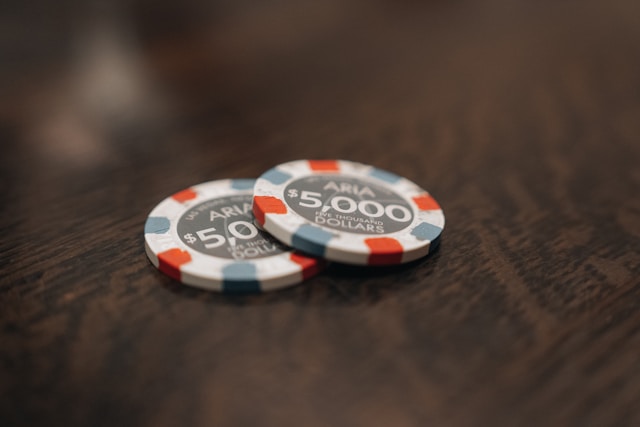
For live poker players in the United States, the choice of how to spend a free evening rarely comes down to a single option anymore. One weekend might mean a drive to an Atlantic City card room, elbows on the felt, waiting for a seat at a busy $2/$5 no-limit table. The next might be quieter — a comfortable chair at home, coffee within reach, and a screen glowing with the same familiar action. The live scene and the online scene no longer compete so much as they overlap, feeding into each other in ways that shape how people organize their leisure time.
That overlap is exactly why so many players who love the brick-and-mortar experience also keep a close eye on where to play poker online for money once the card rooms close for the night. The best online poker rooms for US players are worth comparing carefully, because they differ in the things that matter to a regular player: the size of welcome bonuses, how much rakeback trickles back into a bankroll over time, the depth of player traffic that keeps tables running at all hours, and the range of deposit and cash-out methods on offer. Regulatory considerations vary from one state to the next, too, so knowing which rooms serve which regions is part of the picture. For anyone who treats poker as a serious hobby rather than a one-off, sorting through those details ahead of time turns a random evening into a smooth, predictable one.
The Atlantic City Anchor
Atlantic City remains one of the strongest reference points for the American live game. Its boardwalk card rooms run cash games around the clock, from low-stakes limit hold'em that welcomes newcomers to bigger no-limit tables where the swings get serious. The city has long been a magnet for players who want a genuine casino-floor atmosphere without hopping on a flight to Las Vegas.
What makes the East Coast scene interesting is how naturally it pairs with home play. A player might spend Saturday grinding a live session in Atlantic City, then spend Tuesday night reviewing hands or logging a few hours online to stay sharp. The rhythm of live poker — long stretches of patience punctuated by sudden, memorable pots — carries over to the screen, and vice versa. The venues themselves have leaned into this, with many card rooms now catering to a crowd that thinks of live and online as two halves of the same pastime.
When the Screen Becomes the Table
Home-screen poker fills the gaps that live poker simply can't. Card rooms have opening hours, travel times, and the occasional dead stretch when no table has an open seat. A laptop or phone erases all of that. Someone with ninety free minutes on a weeknight can sit down, play a handful of orbits, and log off — no parking, no drive, no dress code.
This convenience has quietly reshaped how people budget their free time. Instead of choosing between a full night out and nothing at all, players get a middle option. The culture of underground and high-stakes play has always fascinated observers, as chronicled in this look at high-stakes card players, and part of that fascination survives in the online world, where a player can dip into a fast-moving cash game whenever the mood strikes. The stakes may be smaller for most, but the essential thrill — reading a bet, making a decision, watching it play out — is unchanged.
Tournaments, Cash Games, and Everything Between
One of the biggest draws of online poker rooms is variety. A live card room can only spread so many game types at once, limited by floor space and dealer availability. Online, the menu is wide open: no-limit hold'em, pot-limit Omaha, mixed games, sit-and-gos, and multi-table tournaments running nearly nonstop.
For the traveler who tracks live festivals across the country, this variety works as a training ground and a warm-up. Someone planning a trip to a major series can log hours online to shake off rust before facing a room full of live opponents. The production values of the modern game have climbed sharply, too — the effort behind marquee streamed cash games, like the one detailed in this account of a million-dollar televised cash game, shows just how much the online and broadcast worlds have raised expectations for what poker entertainment can look like.
Liquidity Keeps the Games Alive
Nothing kills a poker session faster than empty seats. This is where player traffic — often called liquidity — becomes the quiet make-or-break factor. A room packed with active players means cash tables fill quickly, tournament fields grow large, and there's always a game at the stakes a person prefers. Thin traffic means long waits and short-handed tables.
For US players, liquidity depends heavily on which region a room serves, since shared player pools across states can dramatically increase the number of opponents available at any given hour. Anyone deciding where to spend an evening should weigh this as seriously as bonuses or cash-out options. A generous welcome offer means little if the tables sit half-empty when free time finally arrives.
Building a Routine That Fits Real Life
In the end, the modern poker enthusiast isn't forced to pick a single lane. The Atlantic City boardwalk, a neighborhood card room, and a home screen can all fit into one balanced routine. Live venues supply the atmosphere and the social buzz; online rooms supply the flexibility to keep the hobby alive between trips. Understanding how welcome bonuses, rakeback, traffic, and cash-out methods stack up simply helps a player make the most of whatever hours the week happens to offer — and that, more than anything, is what keeps the game rewarding over the long haul.