
Cash, Card or Prepaid: How Players Pay for Poker Rooms and Tournaments
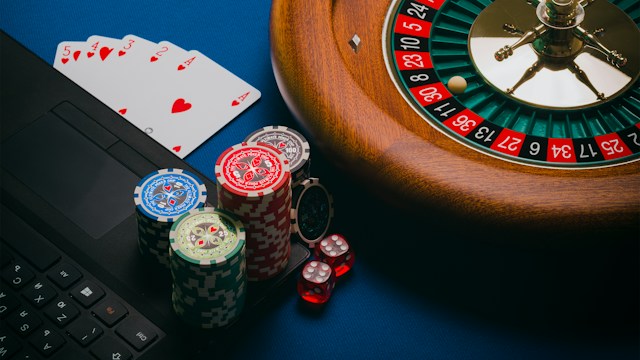
Bankroll control starts before the first buy-in. GameSense's player advice is to set a daily budget and a time limit and stick to it, and that advice applies as much to a live tournament as to an online session. The payment method is part of the plan, because it decides how easy it is to spend past the number.
Prepaid vouchers are one way to build the limit into the payment itself. Paysafecard casinos let Canadian players deposit with a voucher bought for cash, without sharing a bank account or card number with the casino. Each voucher holds a fixed amount, so the voucher value works as a built-in budget cap. The rest of this guide compares cash, cards and prepaid across live rooms and online play.
Cash at the cage
Live poker rooms and clubs still run largely on cash. A player buys chips at the cage, plays the session and cashes out at the end, and the amount on the table is visible at every moment. That visibility is a form of control: it is hard to lose more than the chips in front of you. Tournaments add a fixed buy-in and, in many rooms, a fee on top, so the cost of entry is known in advance.
The limits are practical. Carrying cash means deciding the amount before leaving home and sticking to it, because an ATM near the room is a standing temptation to top up. Rooms differ on what they accept, so checking house rules before travelling saves an awkward conversation at the cage.
Cards, and why they are different
Debit and credit cards are convenient and more dangerous. A card has no natural ceiling beyond the account limit, and a credit card turns a loss into debt. For a tournament player, the safe use of a card is a fixed, planned payment for a known buy-in, not an open tab for rebuys and re-entries.
Online, cards and bank transfers put the amount on a statement. That is helpful for tracking, but the statement only appears after the money is gone. Players who use cards for poker can reduce the risk by setting a spending alert at their bank and by choosing a single card dedicated to play.
Prepaid for online play
A Paysafecard voucher is a prepaid 16-digit PIN sold at convenience stores and gas stations across Canada in set amounts: $10, $30, $50, $100, $150 and $250. Entering the PIN at the casino cashier credits the balance within seconds. Paysafecard is mainly a deposit method, so winnings usually need a different route out, and it carries a $400 limit per payment.
Costs are small but real. Unused balances attract a $2.50 monthly service fee from the 19th month, and withdrawals are possible only at casinos that support them through myPaysafe. Paysafecard is owned by Paysafe, the same payments group as Skrill and Neteller. For players who want to keep bank details away from a casino, casinos that accept Paysafecard offer a simple, cash-based alternative, although availability varies by site and province.
The fixed amounts suit tournament bankrolls well. A player planning a $100 online buy-in can buy exactly one voucher and have no leftover balance to tempt a second entry. The same logic applies to satellites and small-stakes cash games: the voucher is the budget, and when it is spent the session ends.
Safer play
A budget works best with a backup. In Ontario, ConnexOntario offers free and confidential support around the clock to adults experiencing problem gambling, including referrals to counselling and peer support. Other provinces run their own helplines.
The signs that a limit is slipping are easy to list and hard to notice in the moment: topping up after a loss, extending a session past the planned end, or using money earmarked for something else. A prepaid voucher helps because it removes the easy top-up. A player who notices those signs should step away, and a local helpline is the right call if stepping away does not feel possible.
Find a room
Online and live play serve different moods, and many players use both. For anyone planning a trip, a directory of poker clubs across Canada lists working clubs and rooms by city, along with the games each one runs. Checking a room's stakes and buy-in structure before arriving makes it easier to set the bankroll in advance, which is the same discipline that applies online.
Rooms also differ on payment. Some run cash only at the cage, others take debit for buy-ins, and tournament series publish their own terms. A call or message ahead of the trip is a better plan than a surprise at the registration desk, especially for a festival where buy-ins are higher and registration windows are short.
Setting a bankroll
A bankroll is a number written down before the session. Decide the total for the month, split it into buy-ins, and treat the last buy-in as the end of the plan. Cash gives that number a physical shape, a card hides it and a voucher fixes it in advance. Whichever method fits, the discipline matters more than the tool, and the best time to set the number is before sitting down.